Screens
Florida Screen Enclosures: A Homeowner's Buying Guide
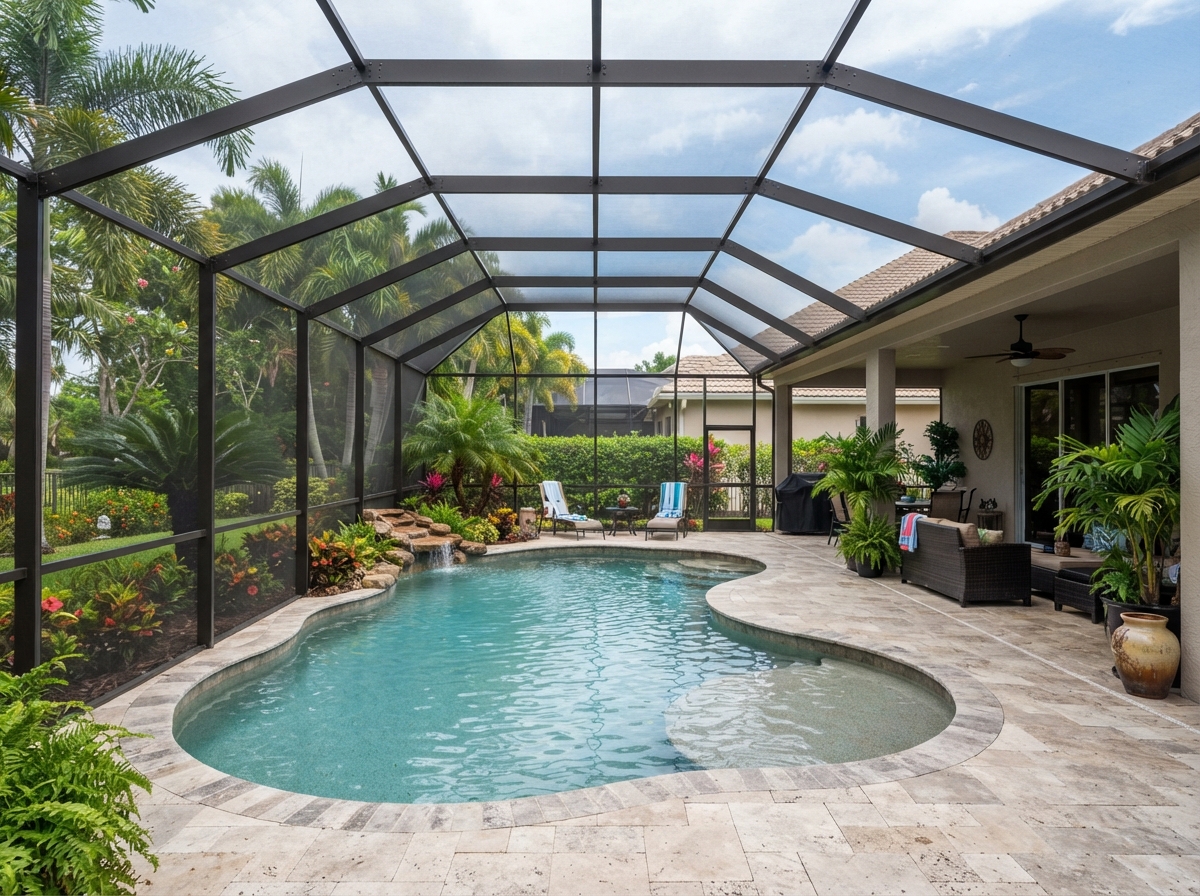
A screen enclosure is one of the most practical additions a Florida homeowner can make, turning a pool or patio area into a comfortable, insect-free outdoor room. But not all screen enclosures are equal, and understanding the options before buying helps ensure the finished enclosure performs as expected. This guide covers the key decisions: frame material, screen type, engineering, and installation.
The frame is the foundation of any screen enclosure, and in Florida that frame should be aluminum. Aluminum framing provides the structural strength to span wide openings — essential for pool enclosures — while resisting the corrosion that affects steel in this climate. Powder-coated aluminum finishes protect the frame from UV and salt exposure, maintaining appearance and structural integrity over the life of the enclosure. The framing should be engineered to meet local wind load requirements, which in Florida are not optional. If you're considering screens for your Florida home, our team can help you explore the options.
Screen type is the next decision, and it affects both performance and longevity. Standard fiberglass mesh is the common choice, providing good insect protection and visibility at a reasonable cost. For homeowners who want enhanced durability — particularly in homes with pets or in areas with heavy debris — upgraded screen options are available that resist puncture and tearing. Some screen types also reduce solar heat gain, which can make the enclosed space more comfortable in direct sun. The right choice depends on the location, the intended use, and the budget.
Engineering is a critical consideration that is often overlooked. A screen enclosure is a structure, and in Florida it must be engineered to withstand wind loads that can be substantial, particularly in coastal and hurricane-zone areas. The framing, the connections, and the anchoring must all be designed to meet the requirements of the specific location. An enclosure that is not properly engineered is a risk in Florida's storm environment. This is why professional design and installation matter — the engineering is not a detail, it is the foundation.
The size and configuration of the enclosure should be planned around the space it protects. A pool enclosure needs to span the full pool deck with adequate height for comfort and for the structural requirements of the span. A patio enclosure may be smaller but should still provide comfortable headroom and access. Door placement matters for circulation — the enclosure should allow easy entry and exit from the home and from the yard. The configuration should also consider how the enclosure integrates with any existing or planned overhead structure.
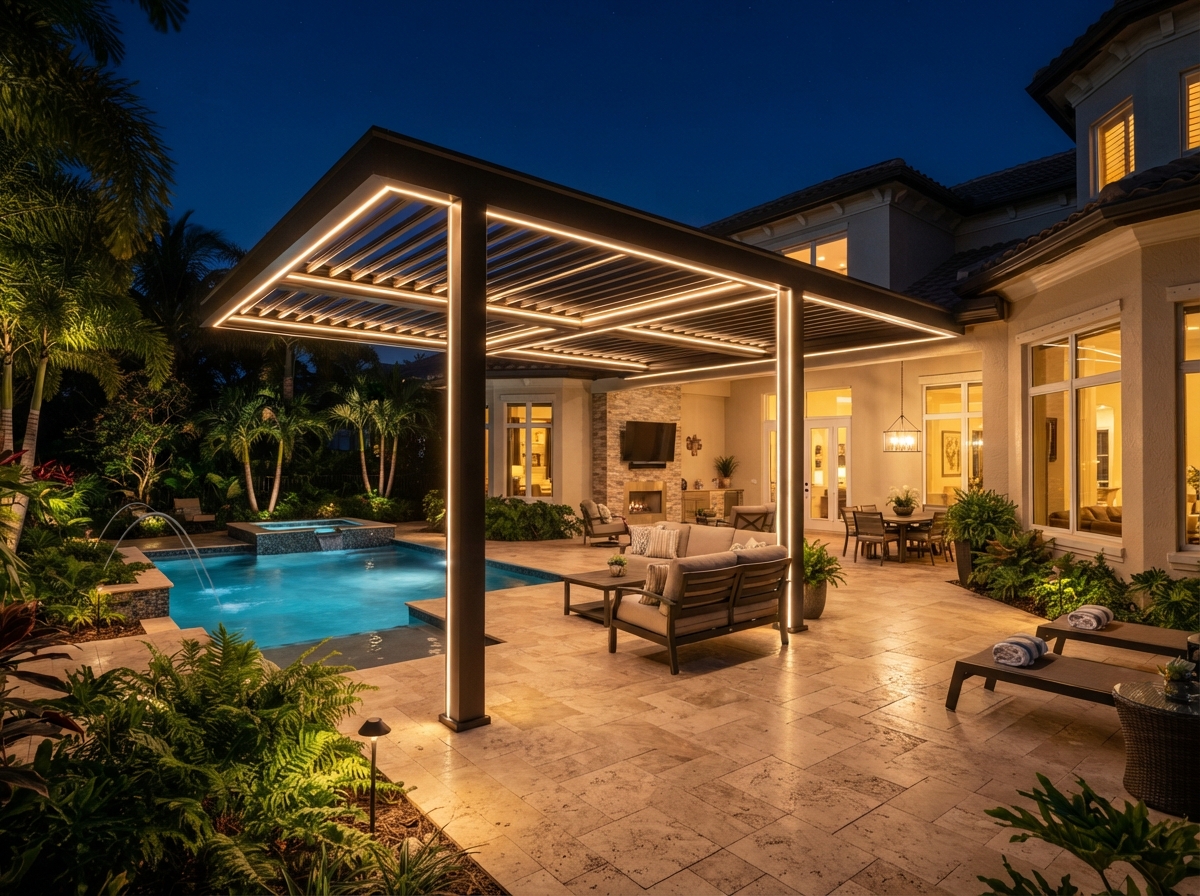
Integration with overhead structures is worth considering. A screen enclosure can be combined with an aluminum terrace or pergola to create a space that is shaded, sheltered, and screened — a fully protected outdoor room. Designing these elements together ensures they coordinate structurally and visually. Retrofitting screening beneath an existing cover is possible but may not produce the cleanest result; planning them together is preferable.
Installation is a process that should be efficient and clean. The frame is installed and anchored first, with doors and access points fitted. The screen mesh is then installed under tension, with trim detailing the edges. A professional installation produces taut, clean screening with no sagging or gaps, and a frame that is plumb, level, and solid. The site should be left clean and the enclosure ready for use.
Maintenance of a screen enclosure is minimal but not zero. The mesh should be rinsed periodically to remove dust and pollen, and the frame cleaned with mild soap and water. Annual inspection for tears or damage allows issues to be addressed before they grow. The aluminum frame requires no sealing or painting. With this minimal care, a well-built screen enclosure provides years of comfortable, insect-free outdoor living.
For Florida homeowners, a screen enclosure is an investment that pays off in usable outdoor time. The keys to a successful enclosure are an aluminum frame, appropriate screen selection, proper engineering for the location, and professional installation. With those elements in place, the enclosure becomes a permanent, low-maintenance addition that makes the pool or patio area more comfortable and more usable throughout the year. For more on this topic, read our guide on Screen Enclosure Maintenance: Keeping Your Florida Enclosure in Top Condition.
Frequently Asked Questions
Learn About This Service
Custom aluminum screen enclosures that keep insects, debris, and sun at bay while preserving open sightlines and airflow around your pool, patio, or outdoor living area.
ScreensMore Articles
Maintenance
Screen Enclosure Maintenance: Keeping Your Florida Enclosure in Top Condition
Simple maintenance practices that extend the life of a screen enclosure in Florida — cleaning, inspection, frame care, and when to replace mesh.
Read Article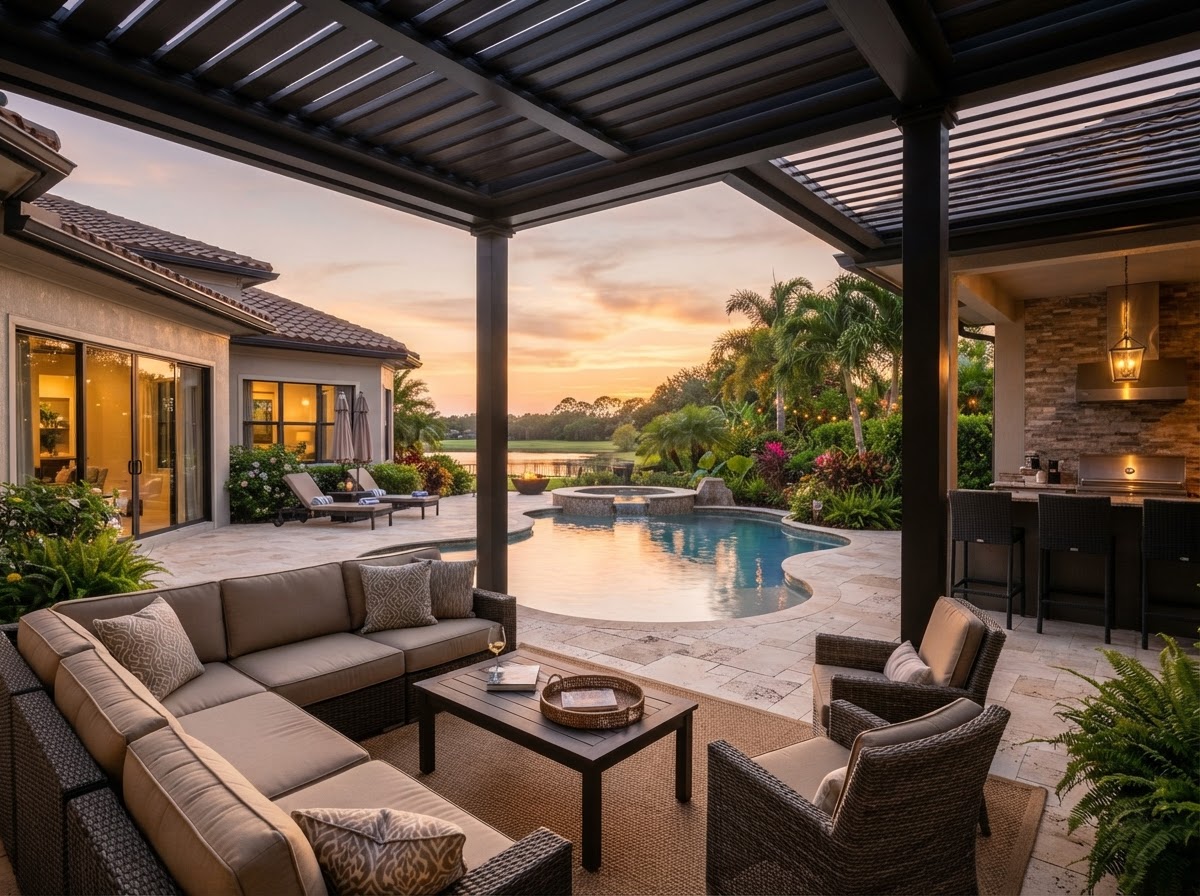
Guides
Screen Enclosure vs. Open Patio: Which Is Right for Your Florida Home?
A comparison of screened and open outdoor spaces in Florida — covering comfort, usability, cost, and how to decide which approach fits your lifestyle.
Read Article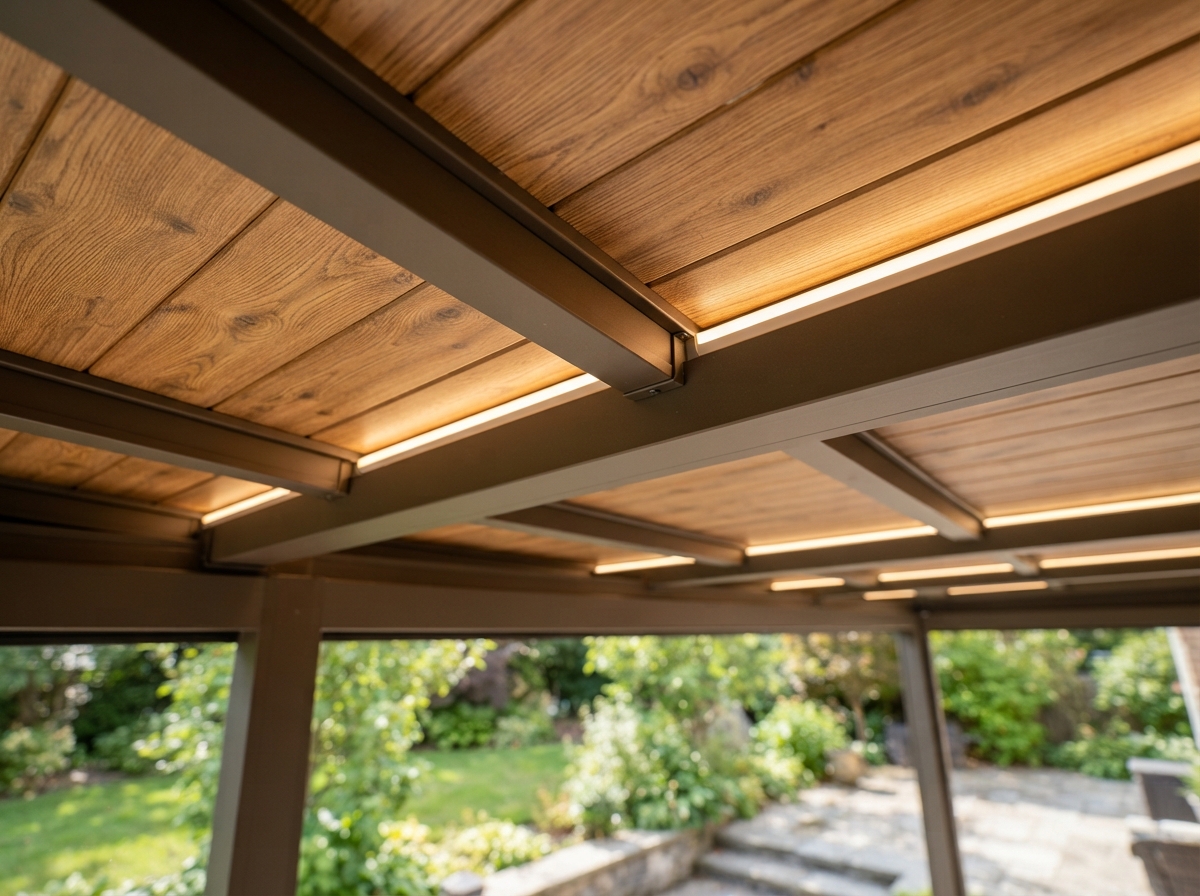
Materials
Aluminum vs. Wood Patio Covers: Which Material Wins in Florida?
A practical comparison of aluminum and wood for Florida patio covers — covering durability, maintenance, cost of ownership, and climate performance.
Read Article