Screens
Screen Enclosure Maintenance: Keeping Your Florida Enclosure in Top Condition
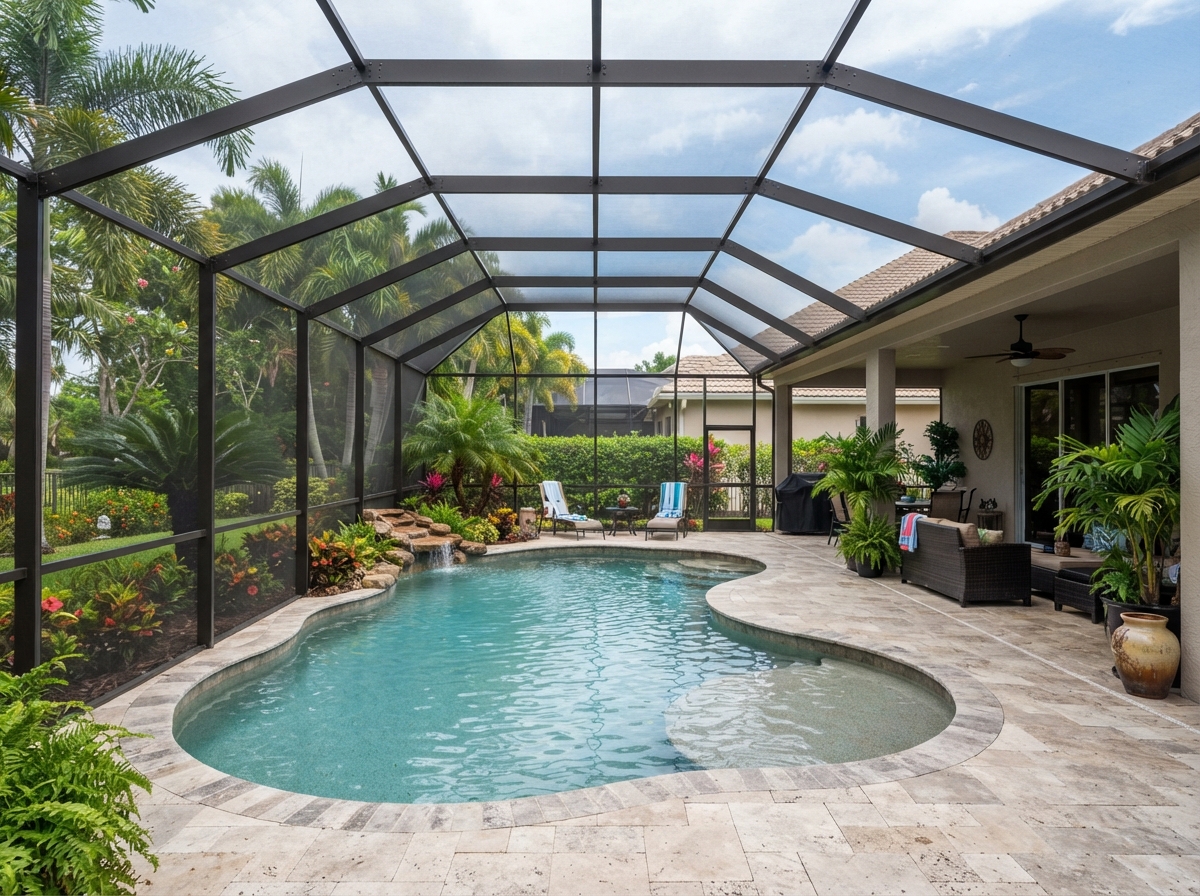
A screen enclosure is one of the most practical outdoor additions a Florida homeowner can make, but like any structure exposed to the elements, it benefits from simple, periodic maintenance. The good news is that an aluminum-framed screen enclosure requires far less maintenance than a wood structure — there is no sealing, staining, or painting. But a few simple practices will keep the enclosure looking and performing its best for years. This guide covers what to do and how often.
The most important maintenance task is regular cleaning. Both the screen mesh and the aluminum frame collect dust, pollen, and occasional debris, all of which can be removed with mild soap and water. A soft brush or cloth is sufficient for the frame; a gentle spray from a hose is typically adequate for the mesh. Avoid pressure washers, which can damage the mesh or force water into areas it should not go. Cleaning two to three times a year is typically adequate, with more frequent cleaning in areas with heavy pollen or near the coast where salt residue can accumulate on the frame. If you're considering screens for your Florida home, our team can help you explore the options.
The aluminum frame is the structural element, and it requires minimal care. Powder-coated finishes are engineered to resist UV fading and corrosion, so the frame will maintain its appearance without painting or sealing. However, the frame should be inspected annually for any signs of damage — a scratch in the powder coating, a shifted connection, or a loose fastener. Small scratches can be touched up with matching paint to prevent any corrosion of the exposed aluminum. More significant damage should be addressed professionally to maintain the structural integrity of the enclosure.
The screen mesh is the component most likely to need attention over time. Mesh can tear from impact — a falling branch, a pet, or a collision with furniture — and tears should be addressed promptly to prevent them from spreading. Small tears can be patched with a screen repair kit, which is a simple DIY fix. Larger damage may require replacement of the affected panel. The mesh is held in place with a spline and channel system, which allows individual panels to be replaced without removing the entire frame. This is a straightforward process that keeps the enclosure functional without requiring a full rebuild.
Doors and hardware deserve periodic attention. Screen doors are used frequently, and their hinges, latches, and closers can loosen or wear over time. An annual check of the door hardware — tightening hinges, adjusting closers, and lubricating latches — keeps the door operating smoothly. If the door mesh tears, it can be replaced the same way as any other panel. The door frame, like the rest of the enclosure, is aluminum and requires only cleaning and inspection.
The area around the enclosure affects its maintenance needs. Enclosures beneath or near trees will collect more leaves and debris, requiring more frequent cleaning of both the mesh and any gutters or drainage paths. Enclosures in coastal areas may accumulate salt residue on the frame, which should be rinsed more frequently to prevent any long-term effect on the finish. The ground around the enclosure should be kept clear of vegetation that could grow into the mesh or frame.
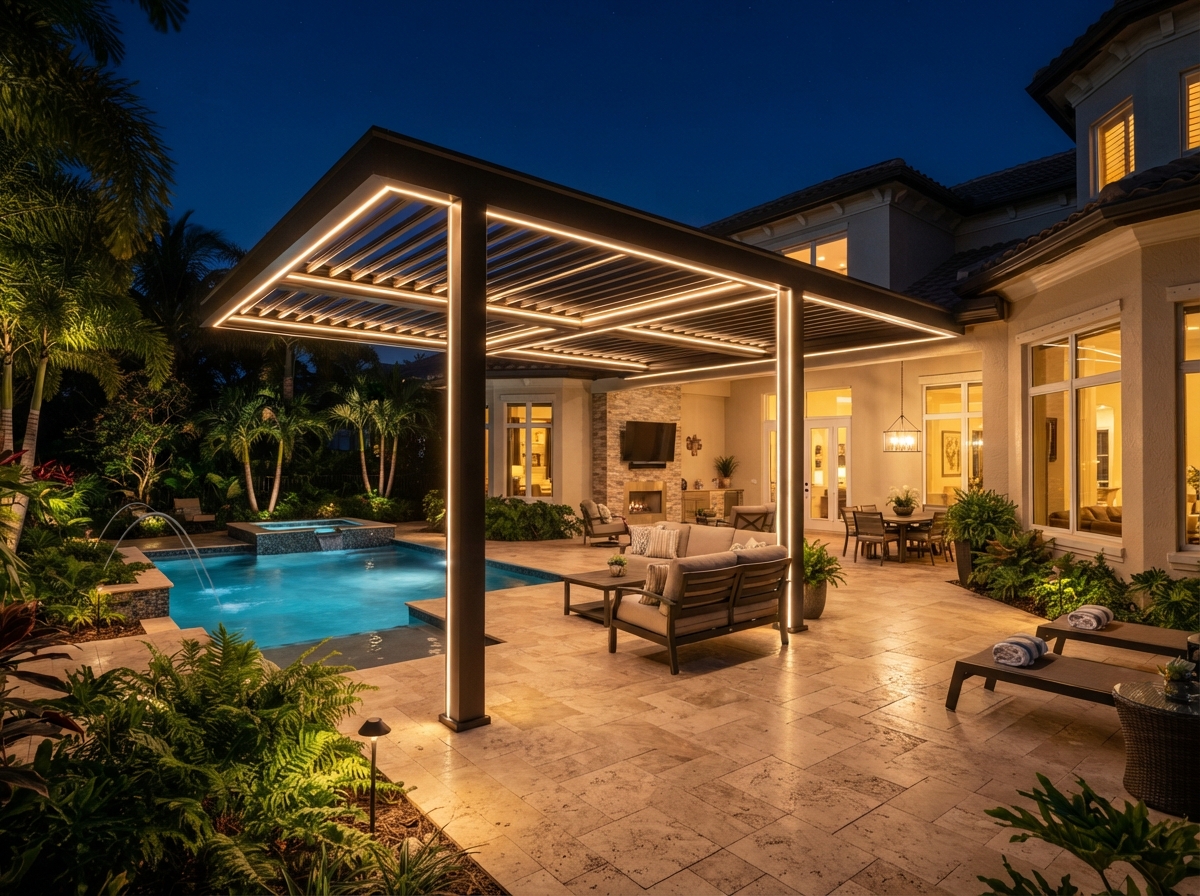
If the enclosure is integrated with an overhead structure — a terrace or pergola — the maintenance of that structure is equally simple. The aluminum cover requires the same cleaning and annual inspection as the enclosure frame. Integrated lighting, if present, should be tested periodically to confirm all fixtures are functioning. The combination of a cover and a screen enclosure creates a fully protected outdoor room, and the maintenance of both elements is minimal compared to what a wood structure would demand.
The overall maintenance burden for an aluminum screen enclosure is a small fraction of what a wood-framed enclosure would require. There is no sealing, no painting, no pest treatment, and no structural degradation from moisture. The few practices described here — cleaning, annual inspection, prompt repair of mesh tears, and periodic hardware checks — are all that is needed to keep the enclosure performing and looking its best. With this minimal care, a well-built screen enclosure provides years of comfortable, insect-free outdoor living in Florida. For more on this topic, read our guide on Florida Screen Enclosures: A Homeowner's Buying Guide.
Frequently Asked Questions
Learn About This Service
Custom aluminum screen enclosures that keep insects, debris, and sun at bay while preserving open sightlines and airflow around your pool, patio, or outdoor living area.
ScreensMore Articles
Guides
Florida Screen Enclosures: A Homeowner's Buying Guide
What to know before buying a screen enclosure in Florida — frame materials, screen types, engineering, and what to expect during installation.
Read Article
Guides
Screen Enclosure vs. Open Patio: Which Is Right for Your Florida Home?
A comparison of screened and open outdoor spaces in Florida — covering comfort, usability, cost, and how to decide which approach fits your lifestyle.
Read Article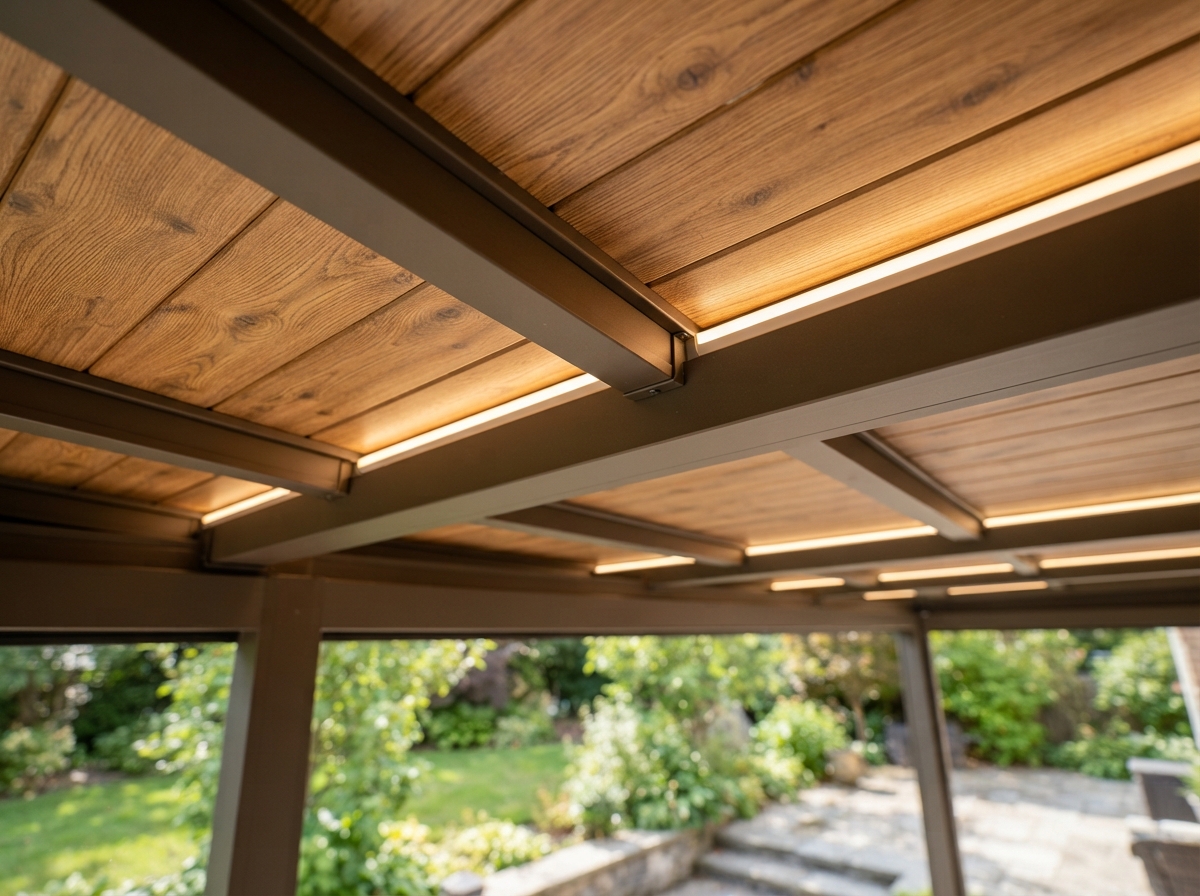
Materials
Aluminum vs. Wood Patio Covers: Which Material Wins in Florida?
A practical comparison of aluminum and wood for Florida patio covers — covering durability, maintenance, cost of ownership, and climate performance.
Read Article